NAD⁺ Therapy in Animals: Emerging Science in Horses and Dogs
Nicotinamide adenine dinucleotide (NAD⁺), a coenzyme central to cellular energy metabolism, is gaining traction in veterinary wellness, particularly for performance horses and companion dogs. While much of the foundational science comes from human and rodent studies, early veterinary use and limited animal-specific research suggest promising applications in energy production, recovery, neuroprotection, and aging.
Why NAD⁺ Matters
NAD⁺ is essential for mitochondrial function and ATP production, and it regulates enzymes like sirtuins (SIRT1–7) that influence inflammation, DNA repair, and metabolic health. Levels naturally decline with age and stress, which has led to growing interest in NAD⁺ replenishment (via IV NAD⁺ or precursors like nicotinamide riboside [NR] and nicotinamide mononucleotide [NMN]) across species.
Horses: Performance, Recovery, and Cellular Resilience
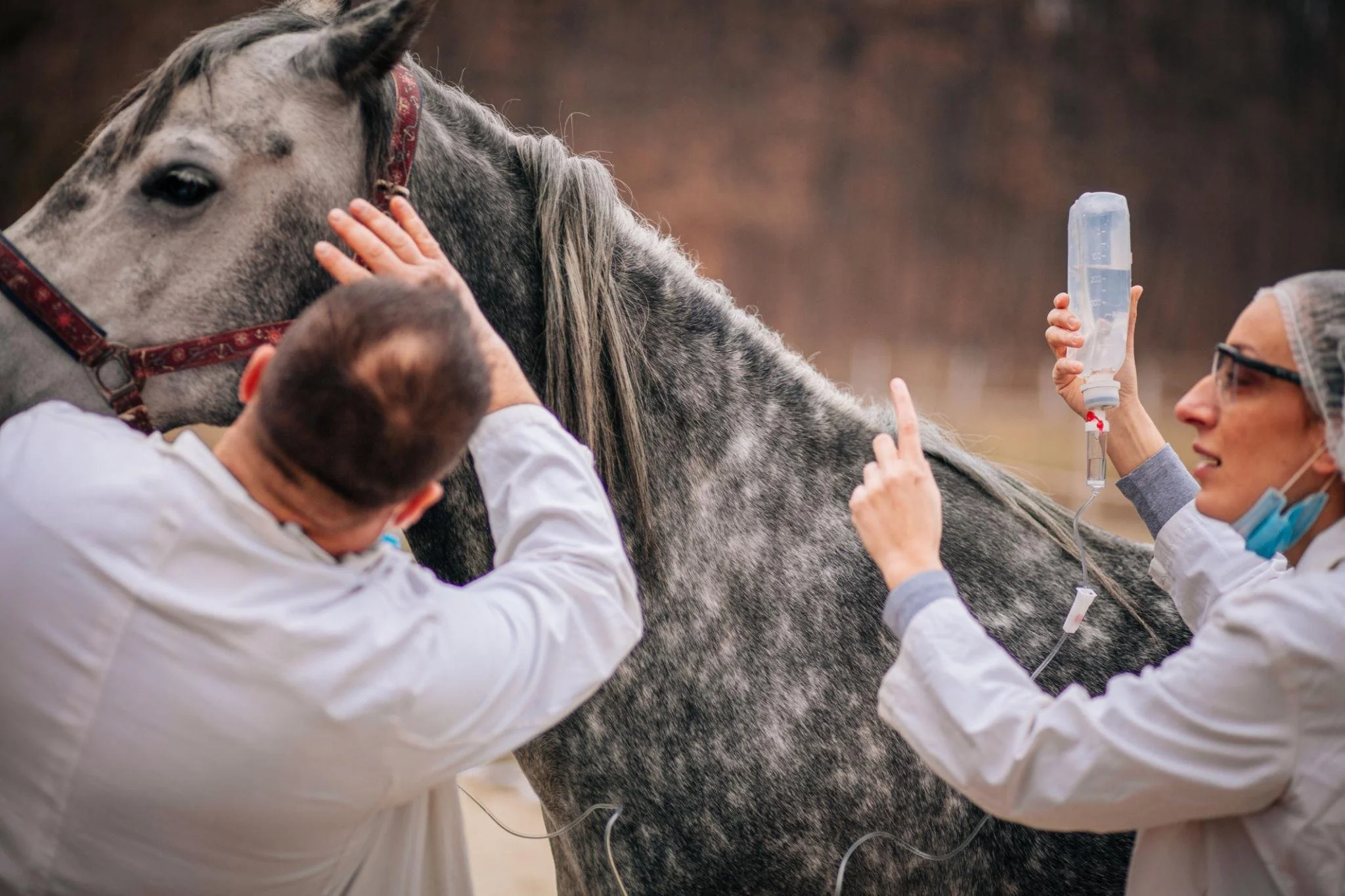
In equine medicine, NAD⁺-supporting therapies are being explored for:
Exercise recovery and endurance: High-performance horses experience intense oxidative stress. NAD⁺ supports mitochondrial efficiency, potentially improving stamina and reducing fatigue.
Muscle repair and inflammation: By activating sirtuins, NAD⁺ may help regulate inflammatory pathways and accelerate post-training recovery.
Metabolic stability: Early interest also includes support for insulin sensitivity in conditions like equine metabolic syndrome (EMS).
Peer-reviewed equine-specific trials are still limited, but translational insights are drawn from broader mitochondrial research and veterinary case reports.
Dogs: Cognitive Health, Aging, and Nervous System Support
In canine care, NAD⁺ is being investigated for:
Cognitive dysfunction (canine “dementia”): NAD⁺ precursors may support neuronal health and synaptic function, paralleling findings in neurodegenerative models.
Anxiety and nervous system regulation: Some clinicians report calming and regulatory effects, potentially linked to improved cellular energy in the brain.
Longevity and vitality: As in humans, boosting NAD⁺ may counter age-related decline in metabolism and immune resilience.
What the Research Says
A notable 2022 study found that nicotinamide riboside supplementation in dogs improved markers of mitochondrial function and was well tolerated. Veterinary use today remains largely off-label and experimental, often administered by integrative or performance-focused veterinarians. NAD⁺ therapy in animals sits at the intersection of cutting-edge cellular biology and integrative veterinary care. Early signals, especially in horses and dogs, suggest benefits in energy, recovery, cognition, and aging, but controlled clinical trials are still needed. For now, it’s a promising but evolving tool best used under veterinary guidance, particularly for performance animals and aging companions.