Can NAD+ Reverse Alzheimer’s Disease? New Research Offers Hope
For decades, Alzheimer’s disease has been viewed as a one-way path. One that is progressive, degenerative, and irreversible. Treatments have focused almost exclusively on slowing decline, not restoring lost function. But a growing body of research suggests that assumption may be wrong. New studies indicate that restoring levels of NAD+ (nicotinamide adenine dinucleotide) , a molecule essential for cellular energy and repair, may not only prevent Alzheimer’s progression but actually reverse neurological damage in animal models.
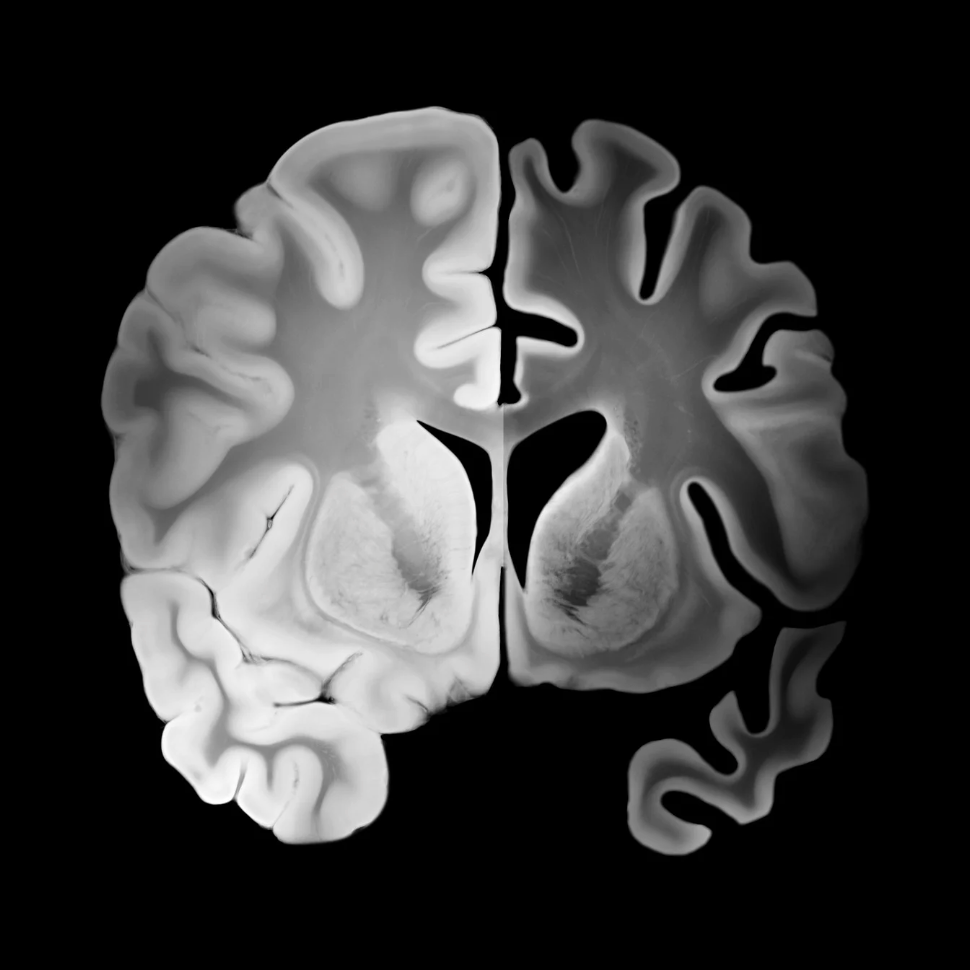
Can Alzheimer’s be reversed?
New studies show restoring NAD+ may reverse Alzheimer’s disease in animal models and reduce biomarkers in humans. Here’s what the science says.
Why Alzheimer’s Has Been Considered Irreversible
Alzheimer’s disease is defined by hallmark pathologies such as amyloid plaques, tau tangles, inflammation, and neuron loss. Once neurons die, the prevailing belief has been that the damage is permanent. Most therapies have therefore aimed to slow further degeneration rather than restore brain function.
Recent research, however, reframes Alzheimer’s as a disease of metabolic collapse, not just protein accumulation.
What Is NAD+ and Why the Brain Depends on It
NAD+ is a coenzyme found in every living cell. It plays a critical role in mitochondrial energy production, DNA repair, oxidative stress response, and gene regulation. As we age, NAD+ levels naturally decline, and in Alzheimer’s, that decline appears to be accelerated.
Low NAD+ disrupts neuronal energy balance, leaving brain cells unable to maintain normal function or repair damage.
The Breakthrough: Reversing Alzheimer’s in Animal Models
A landmark study from Case Western Reserve University demonstrated something previously thought impossible: full neurological recovery in mice with advanced Alzheimer’s-like disease after restoring NAD+ balance.
Researchers used a compound called P7C3-A20, which stabilizes NAD+ levels without over-stimulating cellular metabolism. The results were dramatic.
“Restoring the brain’s energy balance achieved pathological and functional recovery in mice with advanced Alzheimer’s,” said Dr. Andrew A. Pieper, senior author of the study (Case Western Reserve University).
Treated mice showed reductions in amyloid and tau pathology, improved synaptic function, and complete restoration of learning and memory, not just slowed decline.
How NAD+ Restoration Works at the Cellular Level
Beyond energy production, NAD+ influences how genes are expressed in neurons. A Science Advances study found that NAD+ helps correct errors in RNA splicing, a process critical for maintaining healthy brain cell communication.
By restoring NAD+, neurons regain the ability to repair DNA, regulate inflammation, and maintain stable signaling networks.
What Human Studies Show So Far
While most reversal data comes from animal models, early human research is promising. A clinical trial published in Alzheimer’s & Dementia: Translational Research & Clinical Interventions found that supplementation with nicotinamide riboside, an NAD+ precursor, safely increased NAD+ levels and reduced pTau217, a key Alzheimer’s biomarker.
Though not proof of reversal, this suggests NAD+ restoration may meaningfully impact disease biology in humans.
What This Means for the Future of Alzheimer’s Treatment
These findings represent a paradigm shift. Instead of viewing Alzheimer’s as an irreversible neurodegenerative disease, researchers are beginning to see it as a potentially reversible metabolic disorder, at least in its earlier and middle stages.
Clinical trials are still needed, and experts caution against premature conclusions. But for the first time, Alzheimer’s research is pointing toward recovery, not just prevention.