Why NAD⁺ May Be the Missing Link Between Longevity and Gut Health
NAD⁺ (nicotinamide adenine dinucleotide) has become one of the most talked-about molecules in longevity science, and for good reason. This essential coenzyme plays a central role in cellular energy production, DNA repair, metabolic balance, and inflammation regulation. As we age, NAD⁺ levels naturally decline, and researchers increasingly believe this drop may contribute to many hallmarks of aging.
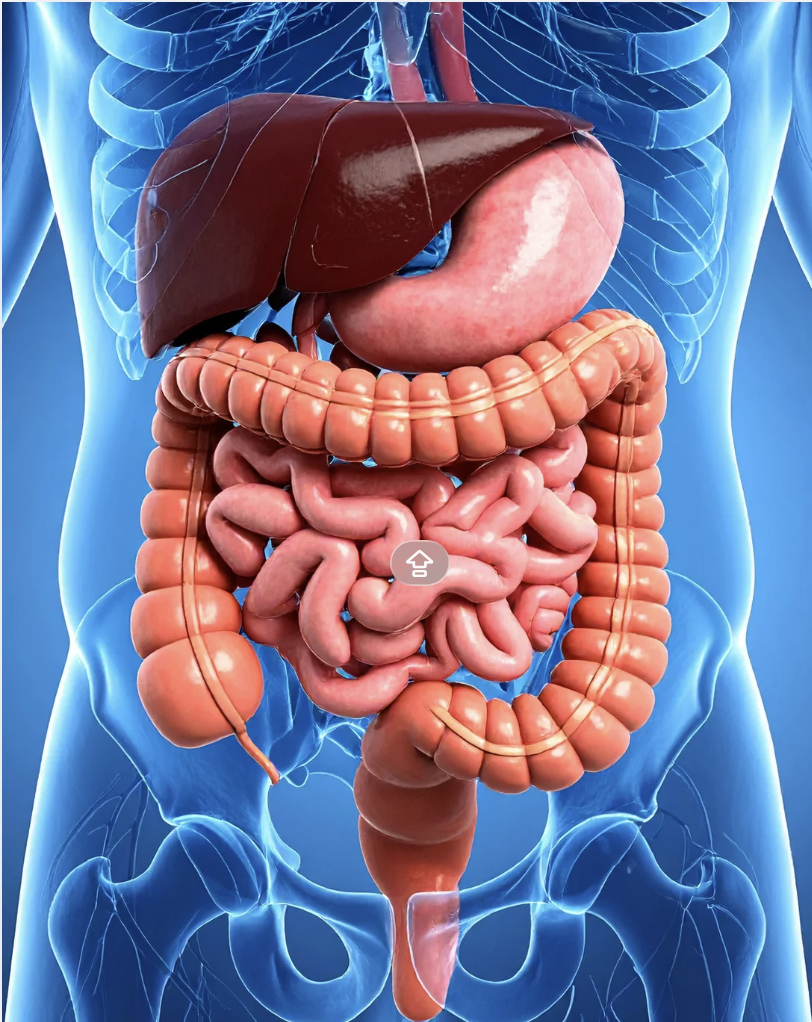
But emerging science suggests NAD⁺ may also influence something unexpected: the health of our gut. Recent clinical research from Nestlé scientists shows that popular longevity supplements may be doing more than just helping cells age more slowly, they might also support digestive health. In a randomized, placebo-controlled trial, healthy adults took NR or NMN (precursors to NAD+) daily for 14 days. Both supplements significantly raised circulating NAD⁺ levels in the bloodstream, while a related compound, nicotinamide (NAM), did not have the same effect. What surprised researchers was the interaction between NR/NMN and the gut microbiome: the precursors were metabolized into nicotinic acid in the digestive tract, enhancing the growth and activity of beneficial microbes.
These findings suggest that NAD⁺ boosters like NR and NMN may support healthy aging through multiple pathways, not only by elevating cellular NAD⁺, but by nurturing microbial metabolism that contributes to gut health. Researchers published the full results in Nature Metabolism
The gut microbiome is now recognized as a powerful regulator of immunity, metabolism, and even brain health. New clinical findings indicate that increasing NAD⁺ availability in the body may positively affect microbial activity in the digestive tract. Researchers observed shifts in microbial metabolism associated with improved cellular function, suggesting that NAD⁺ doesn’t just work inside our cells, but may also support the ecosystem that supports us.
This dual action matters. Healthy aging depends not only on strong cellular repair systems, but also on balanced gut bacteria that regulate inflammation and nutrient absorption. NAD⁺ appears to sit at the intersection of these two systems: cellular resilience and microbial health.
Interest in NAD⁺ continues to grow across academic and clinical communities. For a deeper overview of how NAD⁺ functions in the body, see this summary from the National Institutes of Health.
You can also explore a broader explanation of NAD⁺ and aging biology here.
As longevity research evolves, NAD⁺ is emerging not simply as a cellular energy molecule, but as a potential bridge between metabolic vitality and gut health, two pillars of aging well. Reach out for more information about NAD+ Therapies.